

Jag är väldigt förtjust i hypotetiska imperativ, för att resonera kring vilka medel som bäst uppfyller givna mål. Dock fick detta citat av Henry Sidgwick mig att tänka till:
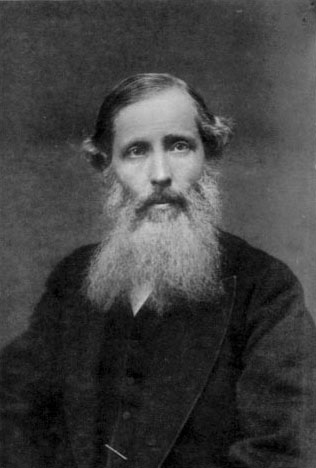 Even, finally, if we discard the belief, that any end of action is unconditionally or ”categorically” prescribed by reason, the notion ‘ought’ as above explained is not thereby eliminated from our practical reasonings: it still remains in the ”hypothetical imperative” which prescribes the fittest means to any end that we may have determined to aim at. When (e.g.) a physician says, ”If you wish to be healthy you ought to rise early,” this is not the same thing as saying ”early rising is an indispensable condition of the attainment of health.” This latter proposition expresses the relation of physiological facts on which the former is founded; but it is not merely this relation of facts that the word ‘ought’ imports: it also implies the unreasonableness of adopting an end and refusing to adopt the means indispensable to its attainment.
Jag hade tidigare inte tänkt på att det i uttalandet av ett hypotetiskt imperativ föreligger ett värdeomdöme, att om man formulerar ett mål så bör man nyttja de medel som mest effektivt leder till det målets uppnående. Nu undrar jag om det är ett ”oskyldigt” värdeomdöme, i den meningen att det knappast går att tänka sig något skäl att inte vilja följa detta böra. Vad skulle ett sådant skäl kunna vara? Möjligen att man är osäker på om man vill uppnå målet i fråga, men det torde väl förutsättas i ett hypotetiskt imperativ, att ingen sådan osäkerhet föreligger?
 Nonicoclolasos
Du måste vara inloggad för att kunna skicka en kommentar.